

The automotive industry in India is evolving rapidly. As newer, safer, and more fuel-efficient vehicles replace older ones, millions of end-of-life vehicles (ELVs) are reaching the stage where they need to be responsibly retired. But what happens after a vehicle is no longer fit for the road?
Many vehicle owners still choose informal scrap dealers without realizing the legal, financial, and environmental consequences of doing so. In 2026, this approach is no longer sustainable.
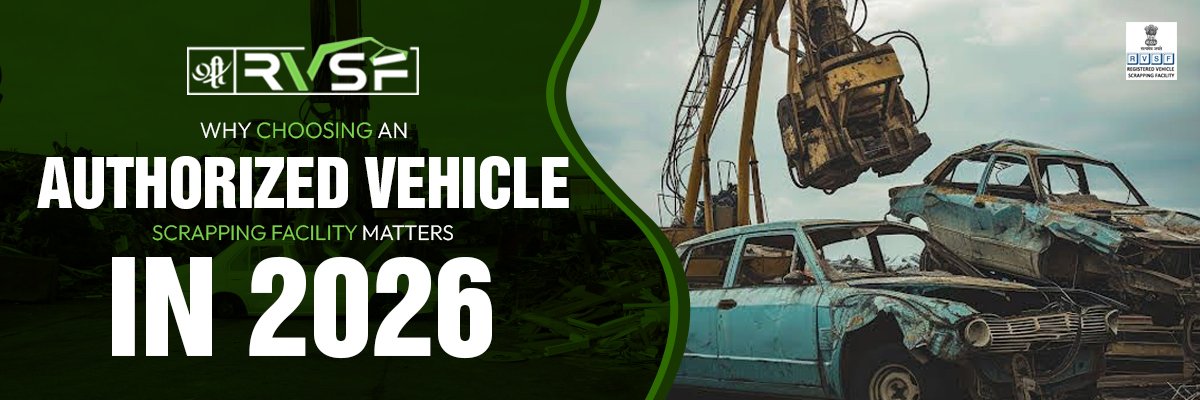
Choosing an authorized vehicle scrapping facility is not just about disposing of an old vehicle—it is about protecting the environment, ensuring legal compliance, recovering maximum value, and contributing to India's circular economy.
Whether you're an individual vehicle owner, a fleet operator, or a business dealing with industrial scrap, selecting a government-authorized recycling facility is the smartest decision you can make.
The Growing Need for Vehicle Scrapping in India
India has one of the world's largest vehicle populations. Every year, thousands of vehicles become unsafe due to age, excessive emissions, mechanical failures, or accident damage.
Older vehicles often suffer from:
● Poor fuel efficiency
● Higher maintenance costs
● Increased emissions
● Safety risks
● Difficulty meeting updated pollution norms
Instead of allowing these vehicles to continue polluting roads—or abandoning them altogether—owners now have access to professionally managed vehicle scrapping facilities that recycle vehicles responsibly.
The Government of India's Vehicle Scrappage Policy has accelerated this transition by encouraging scientific dismantling and environmentally responsible recycling.
What Is a Vehicle Scrapping Facility?
A vehicle scrapping facility is a government-authorized center designed to dismantle, recycle, and process end-of-life vehicles through standardized and environmentally safe procedures.
Unlike traditional scrap yards, these facilities operate under strict regulations and follow systematic processes for:
● Vehicle inspection
● Documentation verification
● Safe depollution
● Scientific dismantling
● Metal segregation
● Recycling
● Disposal of hazardous materials
Every stage is documented, transparent, and compliant with government norms.
What Makes an Authorized Vehicle Scrapping Facility Different?
An authorized vehicle scrapping facility is officially recognized by the Ministry of Road Transport and Highways (MoRTH) and operates under prescribed environmental and safety standards.
This means your vehicle is:
● Legally deregistered
● Scientifically dismantled
● Properly recycled
● Environmentally processed
● Supported with official documentation
Unlike unauthorized dealers, authorized facilities maintain complete transparency throughout the process.
Key Benefits of Choosing an Authorized Vehicle Scrapping Facility
1. Complete Legal Compliance
One of the biggest advantages is peace of mind.
Authorized facilities ensure:
● Proper ownership verification
● Cancellation of vehicle registration
● Issuance of Scrapping Certificate
● Certificate of Deposit
● Complete documentation trail
This protects owners from future liabilities involving the vehicle.
2. Safe Disposal of Hazardous Materials
Vehicles contain numerous hazardous substances including:
● Engine oil
● Brake fluid
● Coolant
● Transmission fluid
● Batteries
● Airbags
● Fuel residues
Improper disposal contaminates soil and groundwater.
An authorized vehicle scrapping facility removes these materials safely before dismantling begins, ensuring compliance with environmental regulations.
3. Maximum Resource Recovery
Modern vehicles contain valuable recyclable materials such as:
● Steel
● Aluminum
● Copper
● Rubber
● Glass
● Plastic
Authorized facilities recover these materials efficiently, reducing dependence on virgin raw materials and conserving natural resources.
The recovered metals are reused across industries including construction, manufacturing, and infrastructure.
4. Transparent Valuation
Unauthorized scrap dealers often estimate prices based on guesswork.
Authorized facilities evaluate:
● Vehicle weight
● Metal composition
● Salvageable components
● Current market value
● Recycling potential
This ensures vehicle owners receive a fair and transparent valuation.
5. Environmental Protection
Vehicle recycling significantly reduces:
● Landfill waste
● Mining activities
● Carbon emissions
● Energy consumption
● Water pollution
Scientific recycling helps lower the environmental footprint associated with manufacturing new raw materials.
Choosing an authorized facility directly supports sustainable development.
Why Industrial Scrap Management Is Equally Important
The importance of responsible recycling extends beyond vehicles.
Industries generate large volumes of industrial scrap, including:
● Steel sections
● Machinery
● Structural components
● Fabrication waste
● Manufacturing leftovers
● Heavy equipment
Improper disposal of industrial scrap leads to:
● Resource wastage
● Environmental damage
● Increased operational costs
● Compliance risks
Authorized recycling facilities ensure industrial scrap is processed scientifically, maximizing recovery while reducing waste.
This supports India's growing circular economy by bringing valuable materials back into production.
The Role of Technology in Modern Vehicle Scrapping Facilities
Vehicle recycling has become increasingly technology-driven.
Today's authorized facilities use:
Digital Documentation
Every vehicle is tracked from arrival to dismantling.
Scientific Depollution Systems
Specialized equipment safely removes hazardous fluids without contamination.
Automated Dismantling
Modern machinery increases efficiency while improving worker safety.
Material Segregation
Advanced systems separate metals, plastics, glass, and rubber for efficient recycling.
Data Security
Vehicles equipped with digital systems have personal information safely removed or destroyed before recycling.
Technology has transformed vehicle recycling into a transparent, organized, and accountable process.
Economic Benefits of Authorized Vehicle Recycling
Responsible recycling also strengthens India's economy.
Benefits include:
● Reduced dependence on imported metals
● Increased availability of recycled steel
● Lower manufacturing costs
● Employment generation
● Growth of recycling infrastructure
● Improved industrial sustainability
Every recycled vehicle contributes valuable raw materials back into the supply chain.
Supporting India's Circular Economy
India is actively promoting a circular economy where materials are reused instead of discarded.
Authorized vehicle recycling plays an important role by:
● Recovering reusable metals
● Reducing landfill waste
● Conserving natural resources
● Lowering greenhouse gas emissions
● Supporting sustainable manufacturing
Rather than treating an old vehicle as waste, it becomes a valuable source of recyclable materials.
How to Identify an Authorized Vehicle Scrapping Facility
Before handing over your vehicle, verify that the facility:
● Is government authorized
● Follows MoRTH guidelines
● Provides complete documentation
● Offers transparent valuation
● Uses scientific dismantling processes
● Safely disposes of hazardous waste
● Issues a Certificate of Deposit
● Issues a Scrapping Certificate
Avoid facilities that offer cash deals without documentation or fail to explain the recycling process.
The Future of Vehicle Recycling in 2026
With stricter emission norms, growing environmental awareness, and increasing adoption of the Vehicle Scrappage Policy, India is entering a new era of responsible vehicle recycling.
Vehicle owners are now looking beyond simply disposing of old vehicles. They want:
● Legal assurance
● Fair valuation
● Environmental responsibility
● Transparent processes
● Government-recognized recycling
Authorized vehicle scrapping facilities are becoming essential partners in this transition.
As more vehicles reach the end of their lifecycle, scientific recycling will play a major role in reducing pollution, conserving resources, and building a cleaner future.
Conclusion
Choosing an authorized vehicle scrapping facility is no longer just a legal formality—it is a responsible decision that benefits vehicle owners, industries, and the environment alike.
From ensuring complete legal compliance and transparent documentation to maximizing resource recovery and supporting sustainable recycling, authorized facilities provide a safe and reliable solution for retiring end-of-life vehicles.
The same commitment extends to industrial scrap, where scientific processing helps industries reduce waste while contributing valuable materials back into the economy.
As India moves toward a greener and more sustainable future in 2026, responsible vehicle recycling is becoming an essential part of environmental stewardship and economic growth. By choosing an authorized facility, you're not simply saying goodbye to an old vehicle—you're giving its materials a new purpose while helping create a cleaner tomorrow.
Frequently Asked Questions (FAQs)
1. What is a vehicle scrapping facility?
A vehicle scrapping facility is a government-authorized center where end-of-life vehicles are scientifically dismantled, recycled, and disposed of according to environmental and safety regulations.
2. Why should I choose an authorized vehicle scrapping facility?
An authorized vehicle scrapping facility ensures legal compliance, transparent documentation, fair valuation, environmentally safe recycling, and proper disposal of hazardous materials.
3. What documents are required to scrap a vehicle?
Typically, you'll need the vehicle's Registration Certificate (RC), a valid ID proof, address proof, and any additional documents required by the authorized facility based on local regulations.
4. What happens after my vehicle is scrapped?
The vehicle undergoes inspection, depollution, dismantling, segregation of recyclable materials, and environmentally safe disposal. You also receive official documentation, such as a Scrapping Certificate and Certificate of Deposit.
5. Can I receive benefits after scrapping my vehicle?
Yes. Depending on applicable government policies and manufacturer programs, you may be eligible for incentives, registration fee concessions, discounts on new vehicle purchases, or other benefits.
6. What is industrial scrap?
Industrial scrap includes discarded metal, machinery, fabrication waste, manufacturing by-products, and other recyclable materials generated by industries. Authorized recycling facilities process these materials responsibly for reuse.
7. Is vehicle recycling environmentally friendly?
Absolutely. Scientific vehicle recycling reduces landfill waste, prevents hazardous pollution, conserves natural resources, lowers energy consumption, and significantly reduces carbon emissions.
8. How do I know if a vehicle scrapping facility is authorized?
Verify that the facility is government-authorized, follows MoRTH guidelines, provides official documentation, uses scientific dismantling processes, and maintains transparent recycling practices.
9. Are old vehicles completely recycled?
A significant portion of a vehicle—including metals, plastics, glass, and rubber—can be recovered and recycled. Hazardous materials are safely treated and disposed of according to environmental standards.
10. Why is responsible vehicle scrapping important in 2026?
With stricter emission regulations, increasing environmental concerns, and India's focus on a circular economy, responsible vehicle scrapping helps reduce pollution, recover valuable resources, and ensure legal compliance while supporting sustainable development.